
The Building Blocks: The 9 Parts of a Spanish Sentence
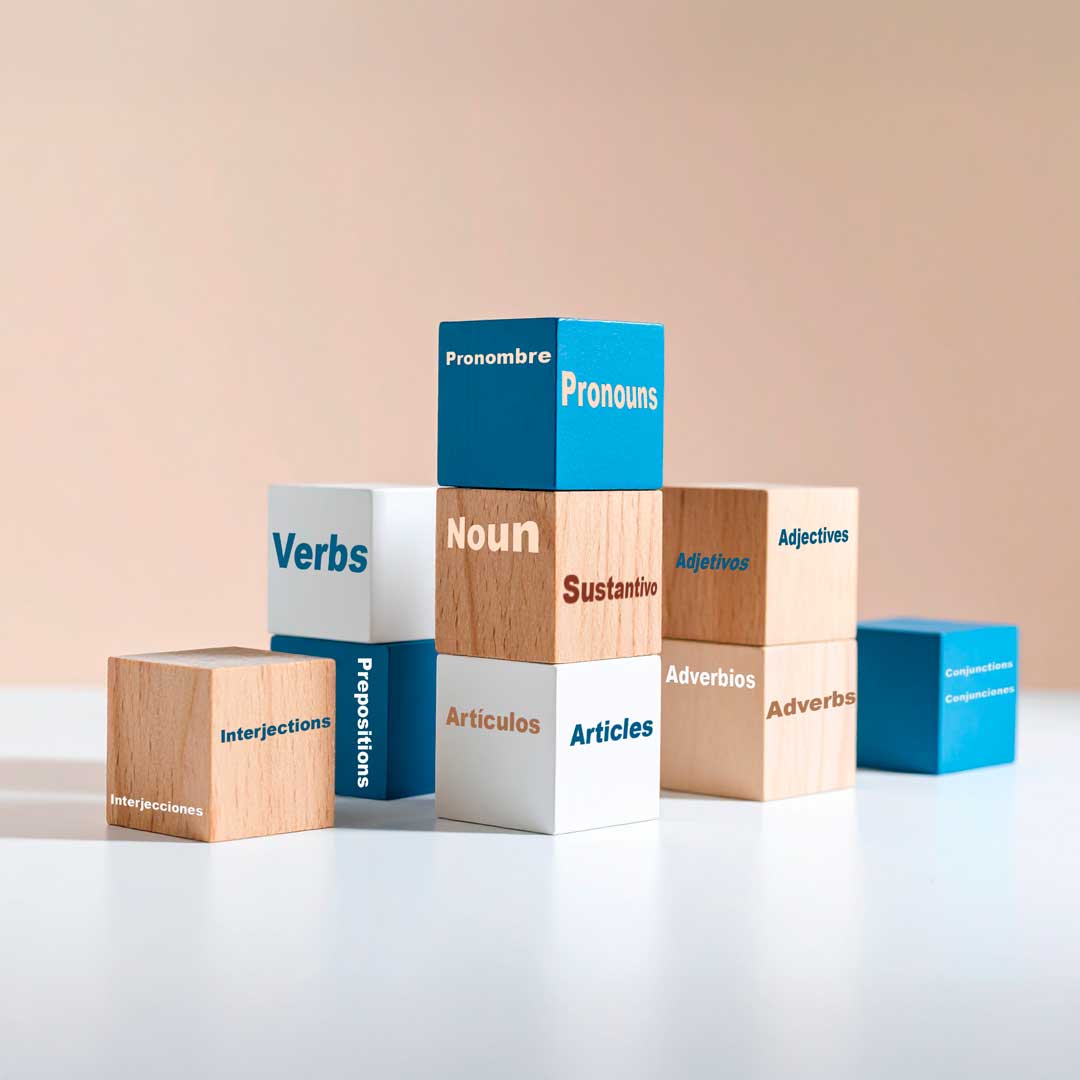
These are the categories every Spanish word belongs to: nouns, verbs, adjectives, articles, adverbs, pronouns, prepositions, conjunctions, and interjections. They’re the visible pieces, the ones you can actually see in a sentence.
In this section, you’ll see how each type of word works, how they connect to each other, and how they give structure to everything you say in Spanish.
Nouns
Verbs
Adjectives
Articles
Adverbs
Pronouns
Prepositions
Conjunctions
Interjections

Spanish Interjections
Spanish interjections add emotion, authenticity, and rhythm to your Spanish. Think of them as the sparks of a conversation.

Spanish Conjunctions
Spanish conjunctions connect thoughts, actions, and reasons. Learn how they shape meaningful communication from one sentence to the next.
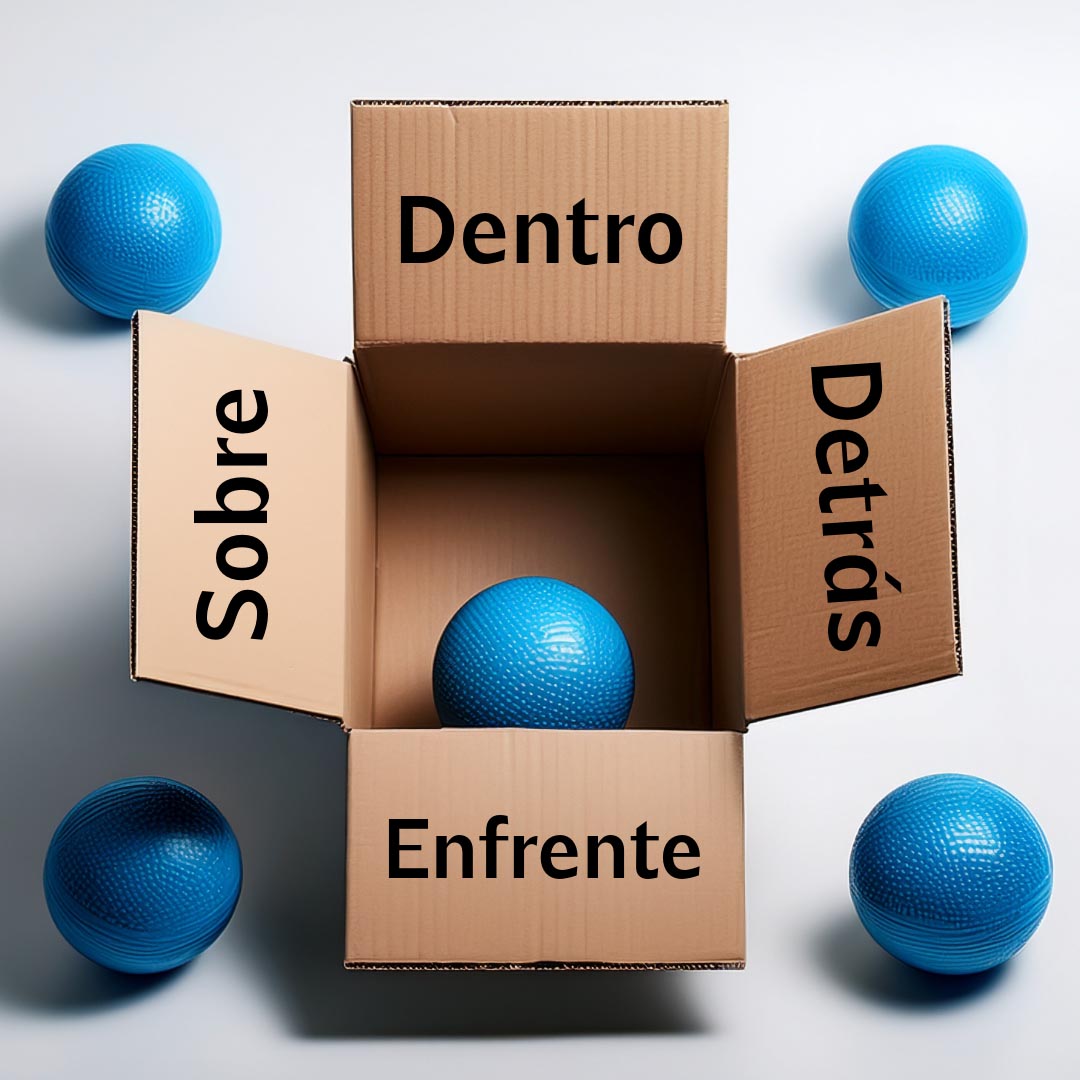
Spanish Prepositions
Spanish prepositions are small words with big meaning. You may not even notice them when native speakers use them; but without them, sentences fall apart.
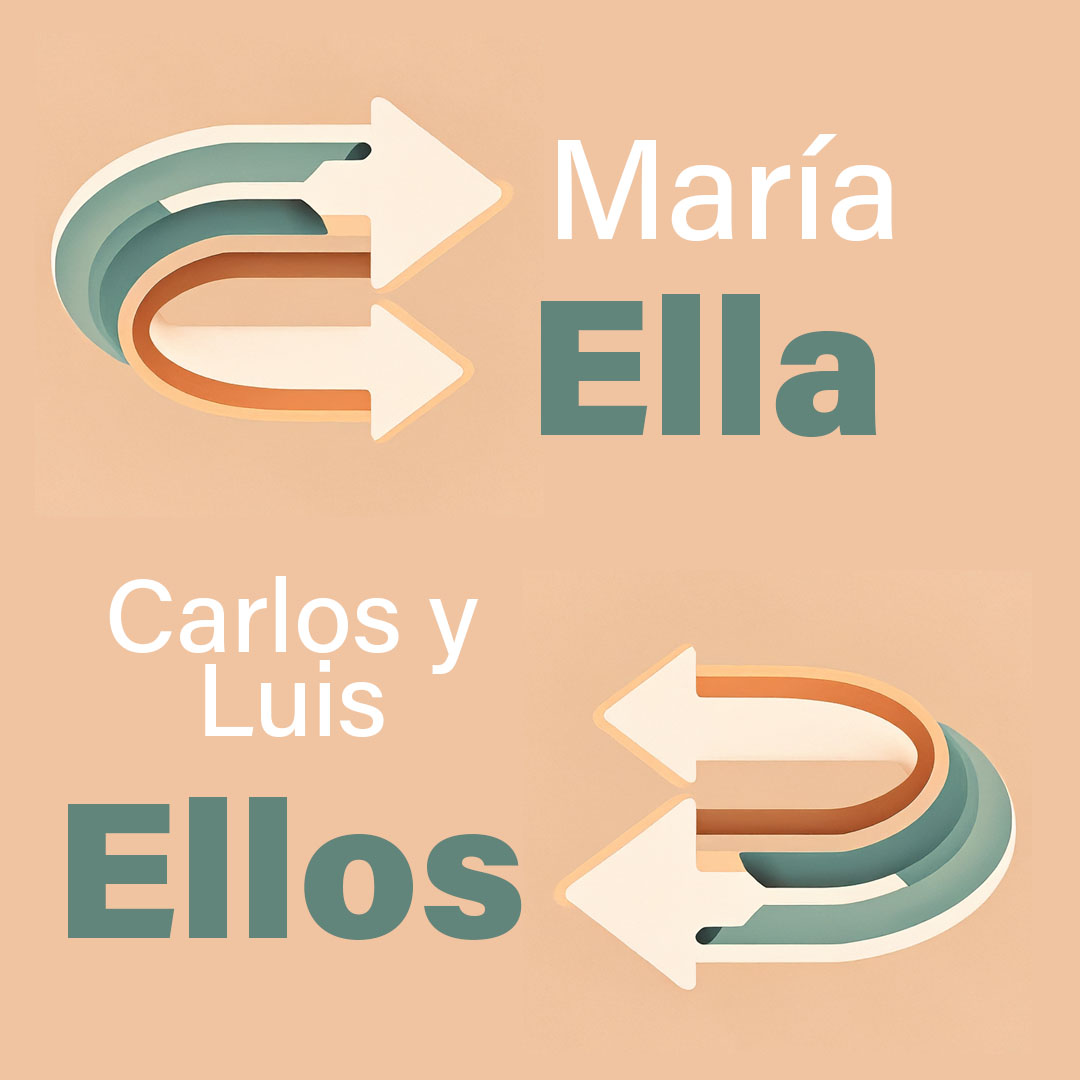
Spanish Pronouns
Spanish pronouns replace nouns to make your sentences smoother and less repetitive.
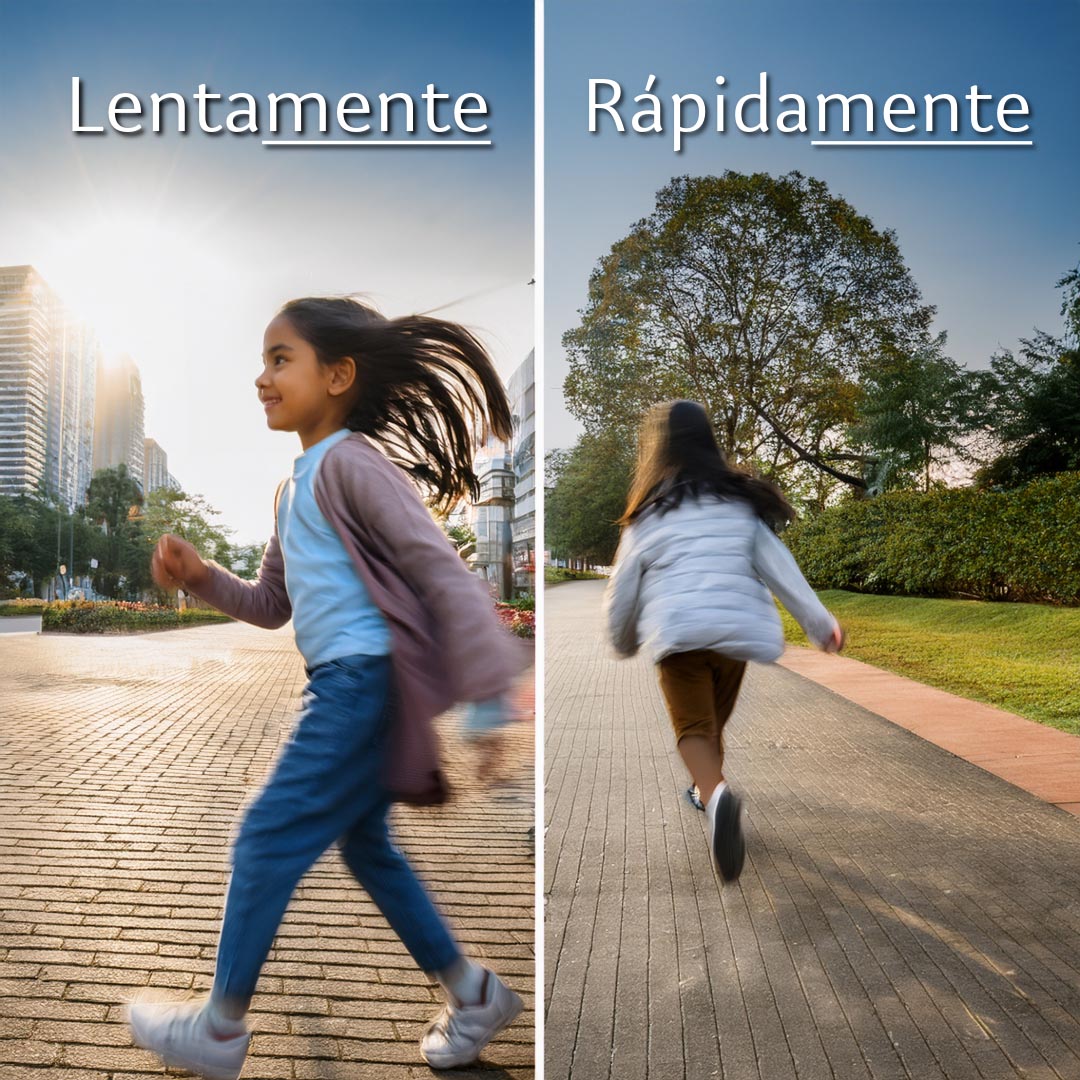
Spanish Adverbs
Discover how Spanish adverbs add nuance, precision, and emotion to your sentences.
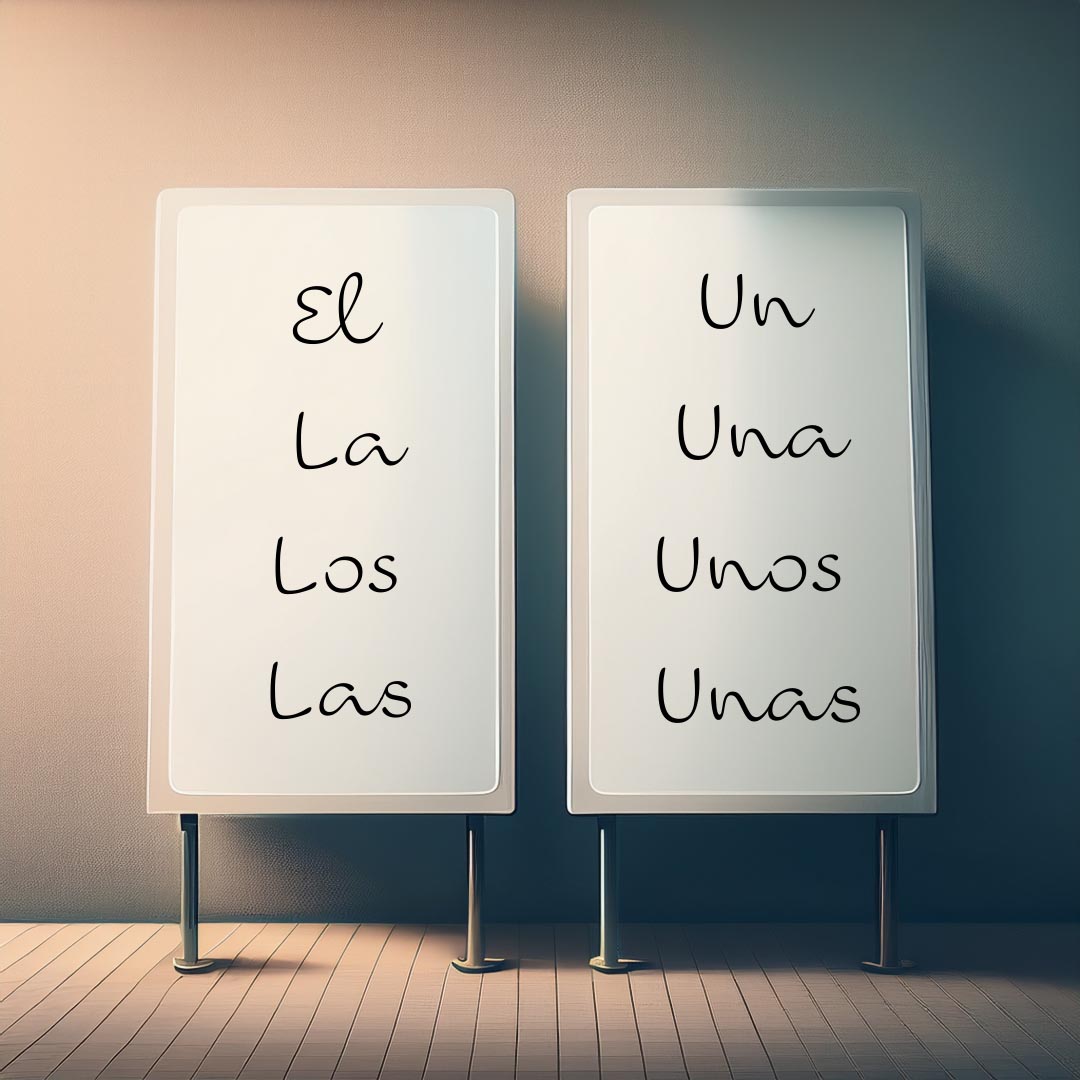
Spanish Articles
Understand the basics of Spanish articles and how they shape meaning in everyday speech. Discover how they work and when to use each one.
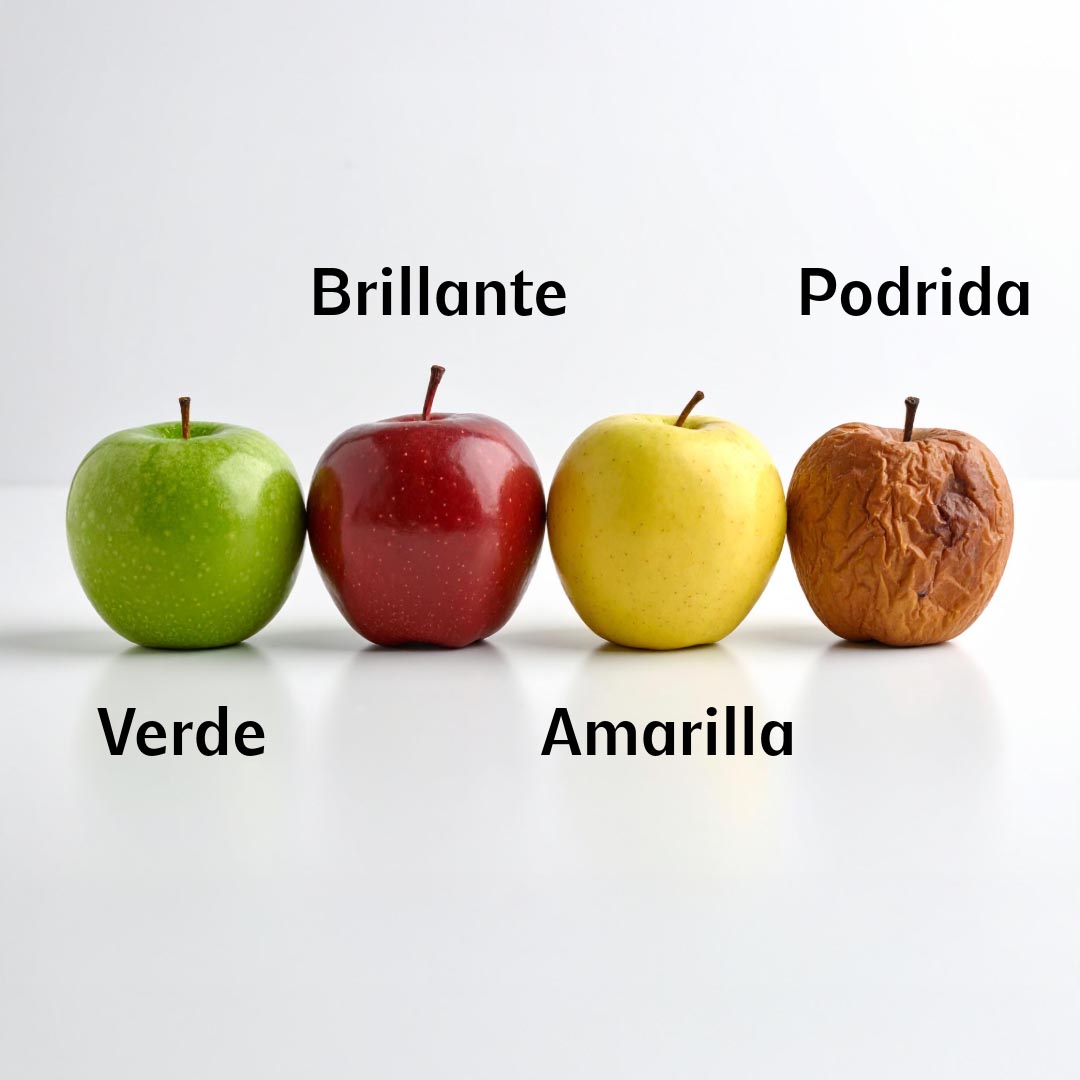
Spanish Adjectives
Learn how Spanish adjectives work, how to match them with nouns, and how to use them to add color, emotion, and clarity to your Spanish.

Spanish Verbs
Discover how Spanish verbs bring sentences to life. Learn how they work, why they change, and how to master them with confidence and clarity.

Spanish Nouns
Learn what Spanish nouns are, how they’re categorized, and how they function in real sentences. A clear and simple introduction for Spanish learners.
What now?
These blocks aren’t just labels, they’re tools.
Now that you’ve seen how each part works, a Spanish sentence becomes something you can shape with intention. No more guessing. No more building blindly.
From here, every Spanish sentence becomes a small act of creation with clarity, purpose, and flow.