
Spanish Articles Made Easy: A Beginner’s Guide
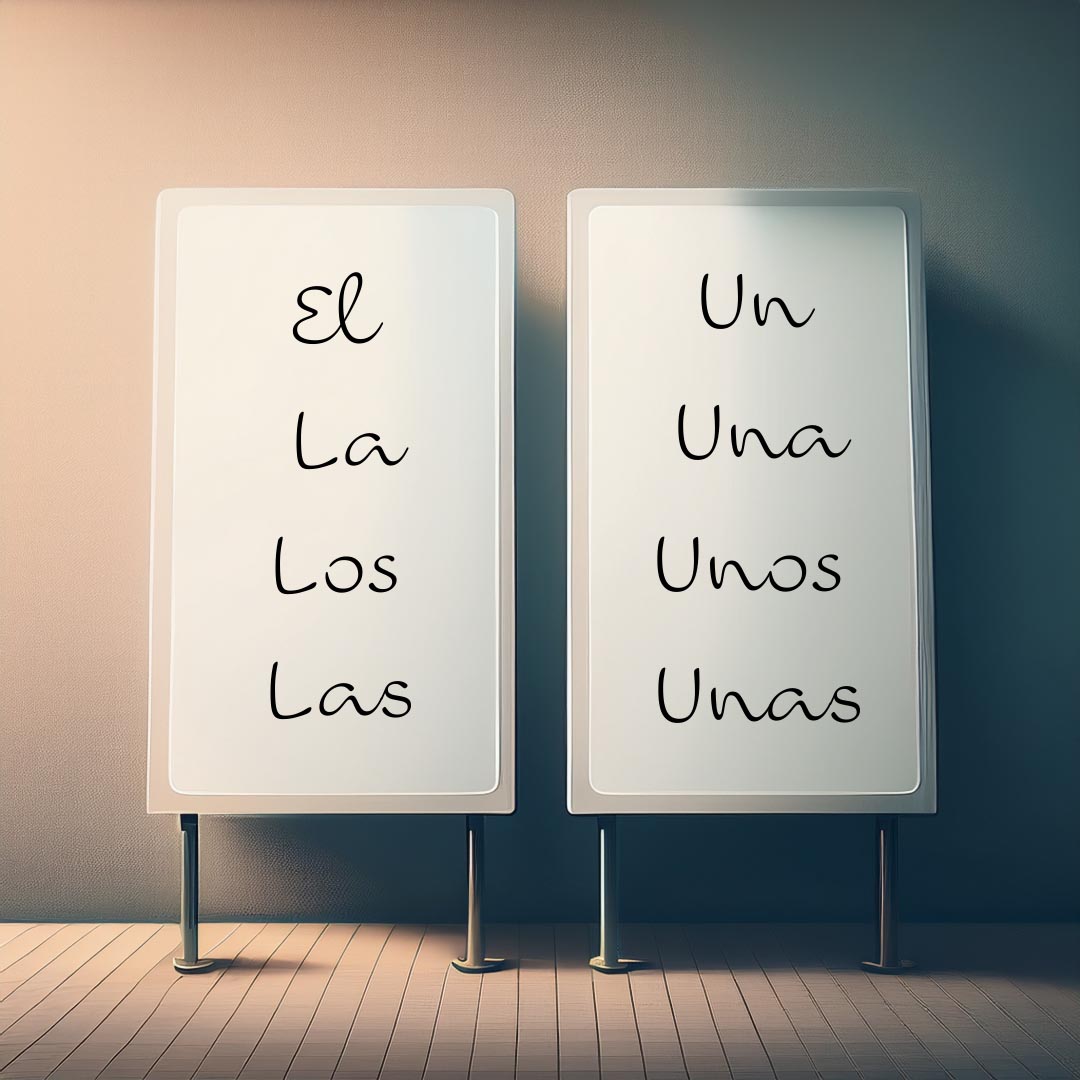
In Spanish, articles are short words like el, la, un, and unas that come before a noun. They help you know whether something is specific or general, known or unknown, and they always match the noun in gender (masculine or feminine) and number (singular or plural).
Think of them as signposts that guide the rest of the sentence. In English, you say the book when you’re talking about something specific, and a house when it’s something more general. Spanish works the same way: el libro means the book, one you and the listener likely know; una casa means a house, any house, not a particular one. Articles are everywhere, and they’re essential.
Why Spanish Articles Matter
Using the wrong article doesn’t just sound strange; it can change the meaning of what you’re trying to say. Saying el agua instead of la agua isn’t optional, it’s a real rule that native speakers follow without thinking. And knowing when to skip the article entirely (like in Soy profesora) is just as important.
Learning Spanish articles gives you:
- Better sentence flow
- More accurate communication
- A deeper understanding of how Spanish grammar fits together