
Spanish Adverbs: They Adjust, Intensify, and Clarify
Spanish adverbs are small but powerful words that tell us how, when, where, or to what degree something happens.
Unlike adjectives, adverbs don’t change for gender or number. They’re flexible and easy to use, making them one of the most learner-friendly parts of Spanish grammar
You can use adverbs to describe:
- How: Ella canta bien (“She sings well”)
- When: Nos vemos mañana (“See you tomorrow”)
- How much: Estoy muy cansado (“I’m very tired”)
How Spanish adverbs are formed
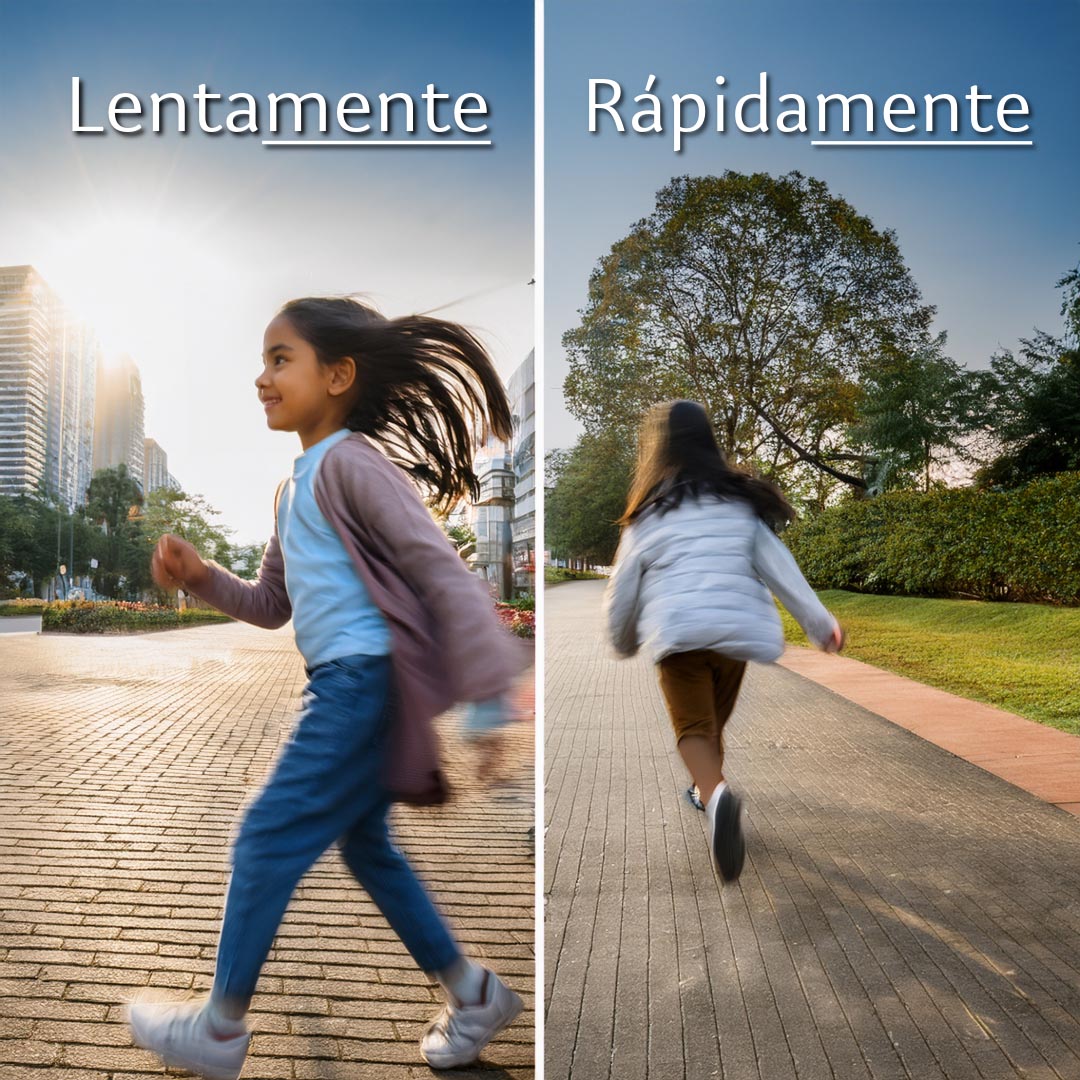
Many Spanish adverbs are created by adding -mente to the feminine form of an adjective:
- clara → claramente
- rápida → rápidamente
But not all adverbs follow this pattern. Common words like ya (already), mal (badly), or nunca (never) are irregular and need to be learned individually. Still, they’re used constantly in daily conversations.
Mastering adverbs lets you express ideas with nuance, precision, and confidence. They help your Spanish sound more fluid, more authentic, and more you.