
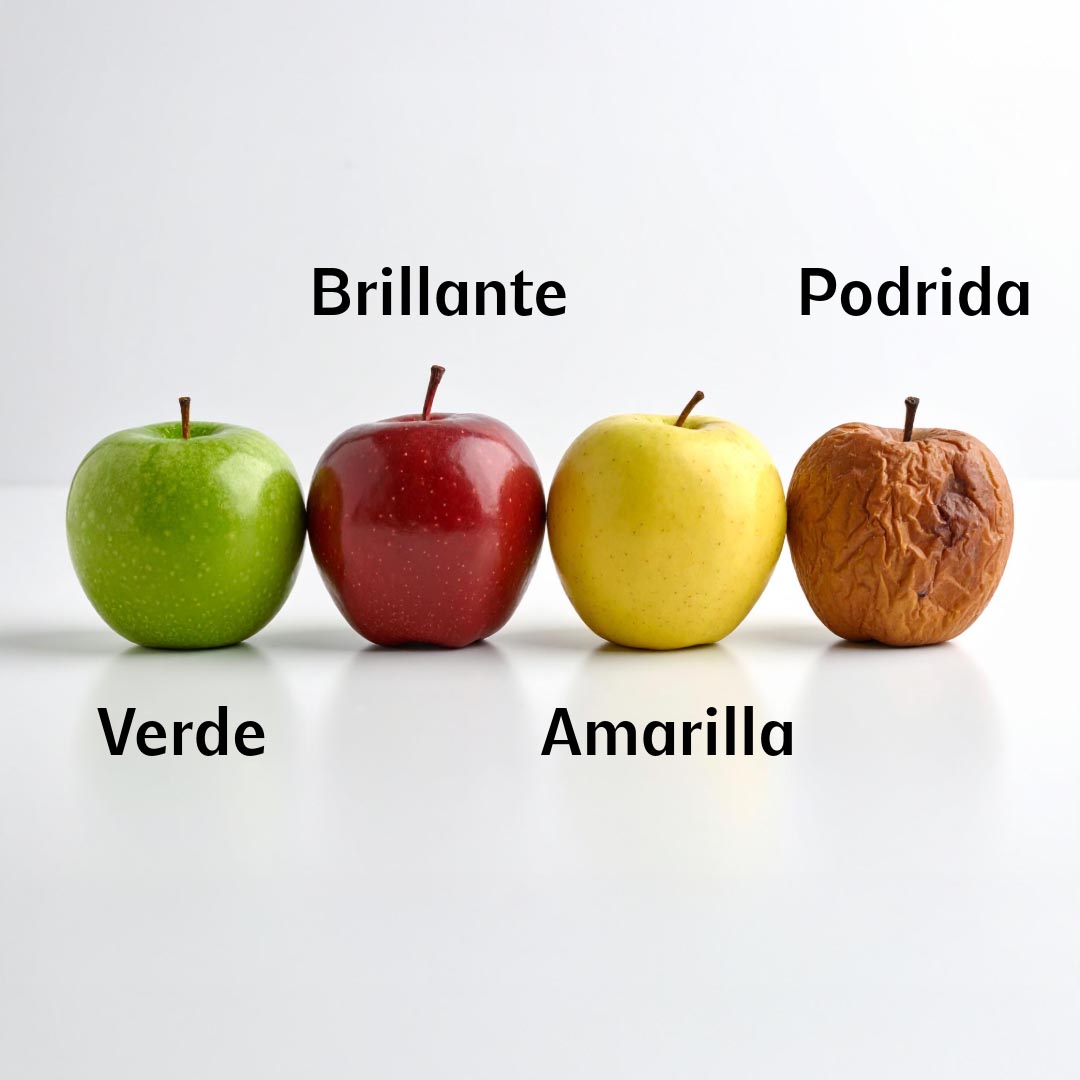
Spanish Adjectives: The Art of Description
Spanish adjectives are words that describe or modify nouns. They tell us what something is like big or small, beautiful or ugly, simple or complicated. In English, adjectives don’t change much. But in Spanish, they must agree in gender and number with the noun they describe.
- niño alto → niña alta
- libro interesante → libros interesantes
How Spanish Adjectives Work in a Sentence
Adjectives usually come after the noun, but sometimes they appear before it, especially when you want to express emotion, subjectivity, or emphasis. The position can even change the meaning:
- una gran mujer (a great woman) ≠ una mujer grande (a big woman)
- un viejo amigo (a long-time friend) ≠ un amigo viejo (an old friend)
Learning how to use Spanish adjectives is more than memorizing vocabulary; it’s about building sentences that feel natural and expressive.
Why They Matter
If you’ve ever struggled to sound fluent or make your Spanish more personal, adjectives are your shortcut. They help you describe people, places, thoughts, and experiences with precision. They turn basic sentences into memorable ones.
With Spanish Hobby you will learn:
- The types of Spanish adjectives you’ll actually use
- How to make them agree with nouns
- When and why their position matters
- Common mistakes and how to avoid them
Let’s dive in, because once you master Spanish adjectives, your Spanish won’t just be correct; it will be interesting.